
How Little Kilton Was Built: The Real Filming Locations of A Good Girl’s Guide to Murder
A Good Girl’s Guide to Murder filming locations reveal how Axbridge and Bristol bring Little Kilton’s chilling mystery to life.
As of 2026, the first season of Netflix’s A Good Girl’s Guide to Murder remains a favorite for mystery viewers who enjoy a sleepy English town with a dark secret. Based on Holly Jackson’s novel, the story follows Emma Myers’ Pip Fitz-Amobi as she reopens the five-year-old murder of Andie Bell. One of the show’s quiet achievements is its sense of place. Little Kilton is fictional, and the UK version of the book places the story in England rather than Fairview, Connecticut. To make that town feel real, the production blended multiple English locations. The result is a composite setting that feels believable, intimate, and subtly threatening. The size of the town matters, too: if Little Kilton were too large or too small, the number of plausible suspects would shift and the mystery would lose balance. Spoiler note: this discussion references plot details from the first season.

Axbridge in Somerset supplies most of the general shots of Little Kilton, including establishing exteriors and town-square scenes. Located about 20 miles southwest of Bristol, Axbridge offers streets lined with traditional English architecture that fit the UK version of Jackson’s book. The Church of St. John the Baptist is another important Axbridge location. Built in the 13th century in the Gothic style from limestone and Doulting stone, the church appears in the series as the site of Andie’s memorial. The final scene between Pip and Max also takes place on the steps outside this church. Around Axbridge, woods, countryside, and the River Axe create an idyllic and dreamy mood. That mood contrasts sharply with the murder, drugs, and sexual crimes in Little Kilton. The dichotomy allows the series to lean into the paranoia and social fear that every small town may hide a seedy underbelly. It also helps place the show within the small-town crime mystery genre.
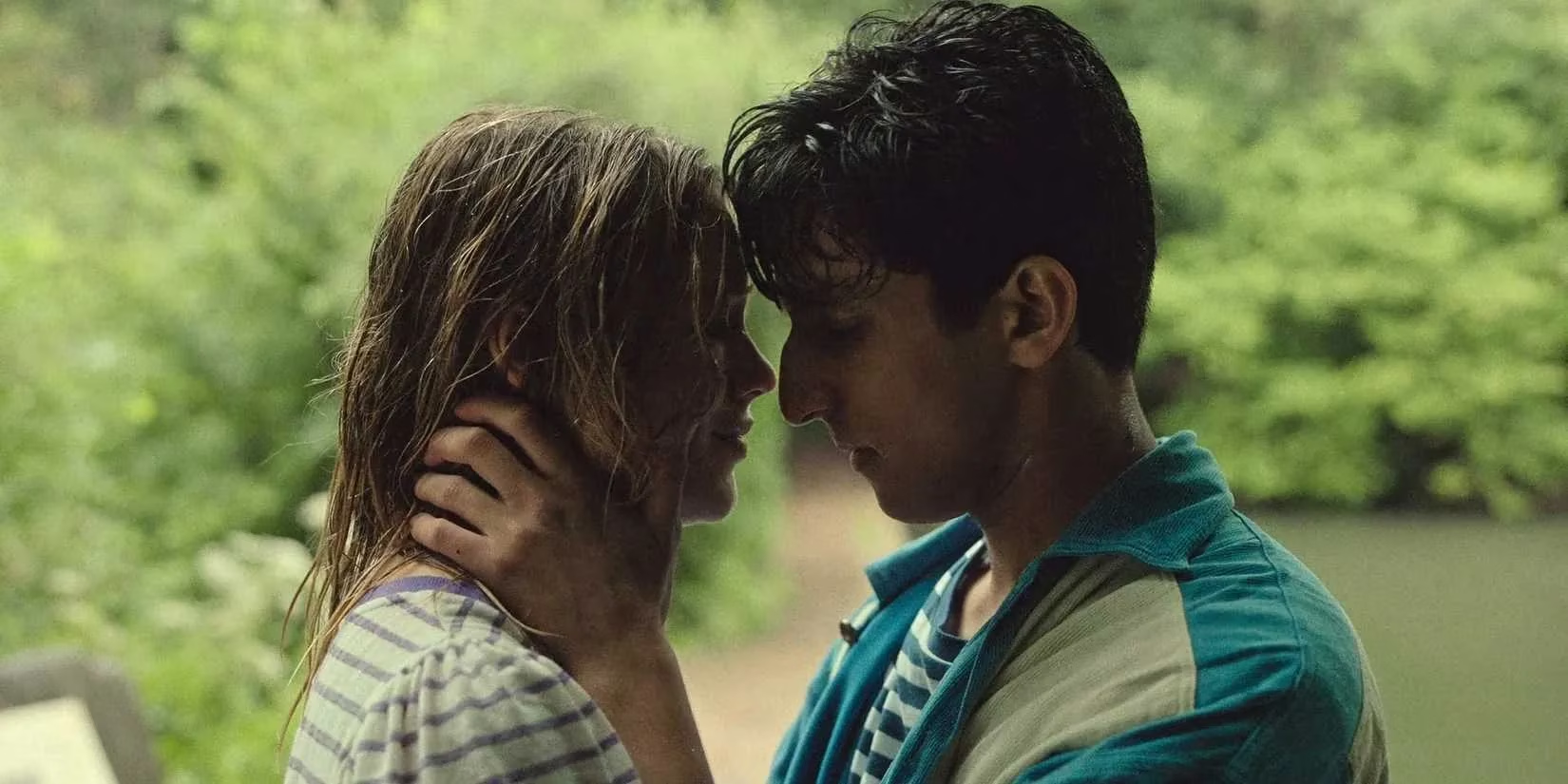
Bristol handles many of the story’s specific locations. Redmaids’ High School in Westbury-on-Trym doubles as Fairview High School. This location matters because the murder occurred while Andie and Sal were in high school, and Pip is conducting her investigation as an EPQ. In season 1, episode 3, Pip and her friends attend a Calamity Party filmed at Redcliffe Caves. The caves also appear in flashbacks of Andie and her friends at similar parties. Their history as man-made underground tunnels and World War II air raid shelters adds unease, making them a strange and unsettling place for high schoolers to party and do drugs. Other Bristol locations include the Costcutter Convenience Store as the Little Kilton Corner Store, Hillgrove Porter Stores as Ravi’s workplace, Wilson’s Bread Shop as Wilson’s Café, and Berwick Lodge as the Ivy House Hotel. Most of these places appear in only a scene or two, but they shape the culture of Little Kilton and give Pip and Ravi varied backdrops for the investigation.
South Gloucestershire appears least among the filming regions, but it still contributes a memorable texture. The primary location there is the Avon Valley Railway, which opened in 1869 and once connected Birmingham and the South Coast. The railway has since been preserved and restored. Its picturesque tracks, stations, and greenery make it a fitting addition to Little Kilton.
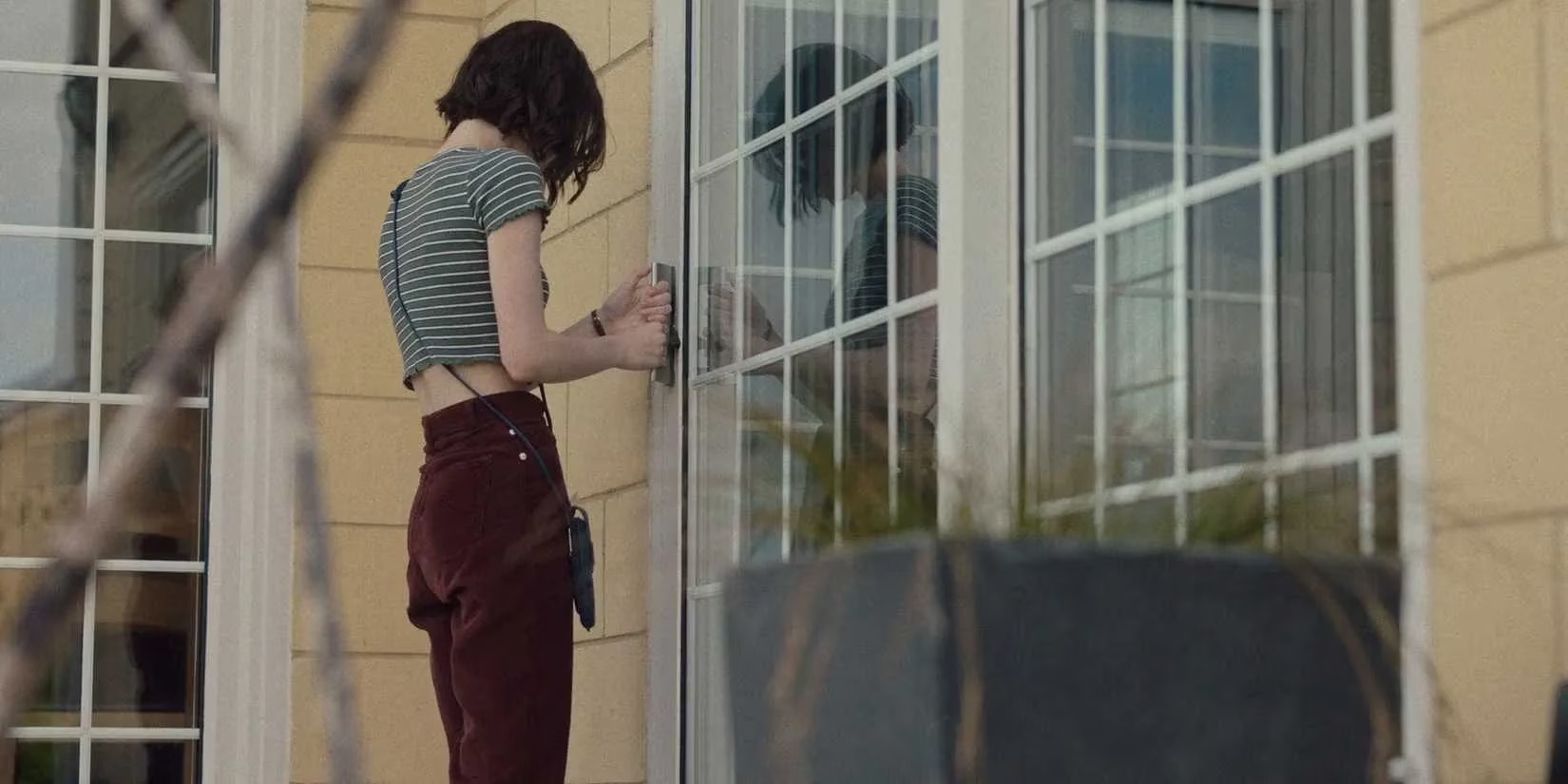
Bath supplies only two locations, yet both are significant. The Ward family lives in a terraced house on Daisy Bank. Because Pip is best friends with Cara Ward, she spends a good amount of time there. The Bell home, which Andie breaks into, is located at 1 Trossachs Drive. Its yellow and white paint and brick exterior have a simplicity that contrasts with the murder that happened inside. At first glance, it seems like a charming and peaceful place to live.
The final piece of the production puzzle is The Bottle Yard Studios, the largest British TV and film production studio in Western England. The production was based there and traveled to other locations for onsite filming. Some interiors were shot at the studio, though it is unclear which specific scenes. This choice likely allowed the team to avoid being confined to the layout of the real homes and buildings that make up Little Kilton.
| Real location | On-screen role | Why it matters |
|---|---|---|
| Axbridge town square | Little Kilton exteriors | Creates the traditional English town feel |
| Church of St. John the Baptist | Andie’s memorial; Pip and Max scene | Adds Gothic weight and small-town ritual |
| Redmaids’ High School | Fairview High School | Connects the past murder to Pip’s present investigation |
| Redcliffe Caves | Calamity Party | Adds darkness and wartime unease |
| Costcutter Convenience Store | Little Kilton Corner Store | Grounds the town in everyday detail |
| Hillgrove Porter Stores | Ravi’s workplace | Gives Ravi a believable local base |
| Wilson’s Bread Shop | Wilson’s Café | Expands the town’s social geography |
| Berwick Lodge | Ivy House Hotel | Adds a more polished local setting |
| Avon Valley Railway | Railway scenery | Brings preserved Victorian transport history |
| Daisy Bank | Ward family home | Supports Pip’s friendship with Cara |
| 1 Trossachs Drive | Bell home | Contrasts domestic charm with hidden violence |
| The Bottle Yard Studios | Interiors and production base | Frees the production from real building layouts |
In 2026, rewatching the series reveals that Little Kilton is not one postcard town but a careful assembly of real places. Axbridge gives the story its welcoming surface, Bristol supplies its institutions and hidden spaces, Bath provides key homes, South Gloucestershire adds railway nostalgia, and The Bottle Yard Studios supplies interior flexibility. For fans of Holly Jackson and Emma Myers, these locations are more than trivia. They explain why Little Kilton feels both welcoming and dangerous. The show’s use of real English places keeps the mystery grounded, and the contrast between picturesque surroundings and violent secrets remains the setting’s strongest trick. 🧩
Research highlighted by Entertainment Software Association (ESA) often emphasizes how audience engagement depends not just on narrative hooks but also on the surrounding cultural context, a point that fits this series well because Little Kilton’s carefully assembled streets, schools, homes, and landmarks function much like environmental storytelling in games, guiding viewers through a world that feels coherent enough to support suspicion, memory, and discovery.