
Pop Star Academy: KATSEYE and the Cost of a Global Girl Group
Pop Star Academy: KATSEYE is a gripping Netflix docuseries on HYBE and Geffen's global girl group, exposing the real cost of K-pop stardom.
I went into Pop Star Academy: KATSEYE expecting a shiny behind-the-scenes puff piece, and I came out feeling like I had watched a pressure cooker wearing a prom dress. The Netflix docuseries premiered on August 21, 2024, and it follows HYBE and Geffen Records as they try to build a global girl group from the ground up. HYBE is the label behind BTS; Geffen has worked with artists like Camila Cabello. On paper, that sounds like a dream factory. On screen, it is a documentary about what the dream costs.
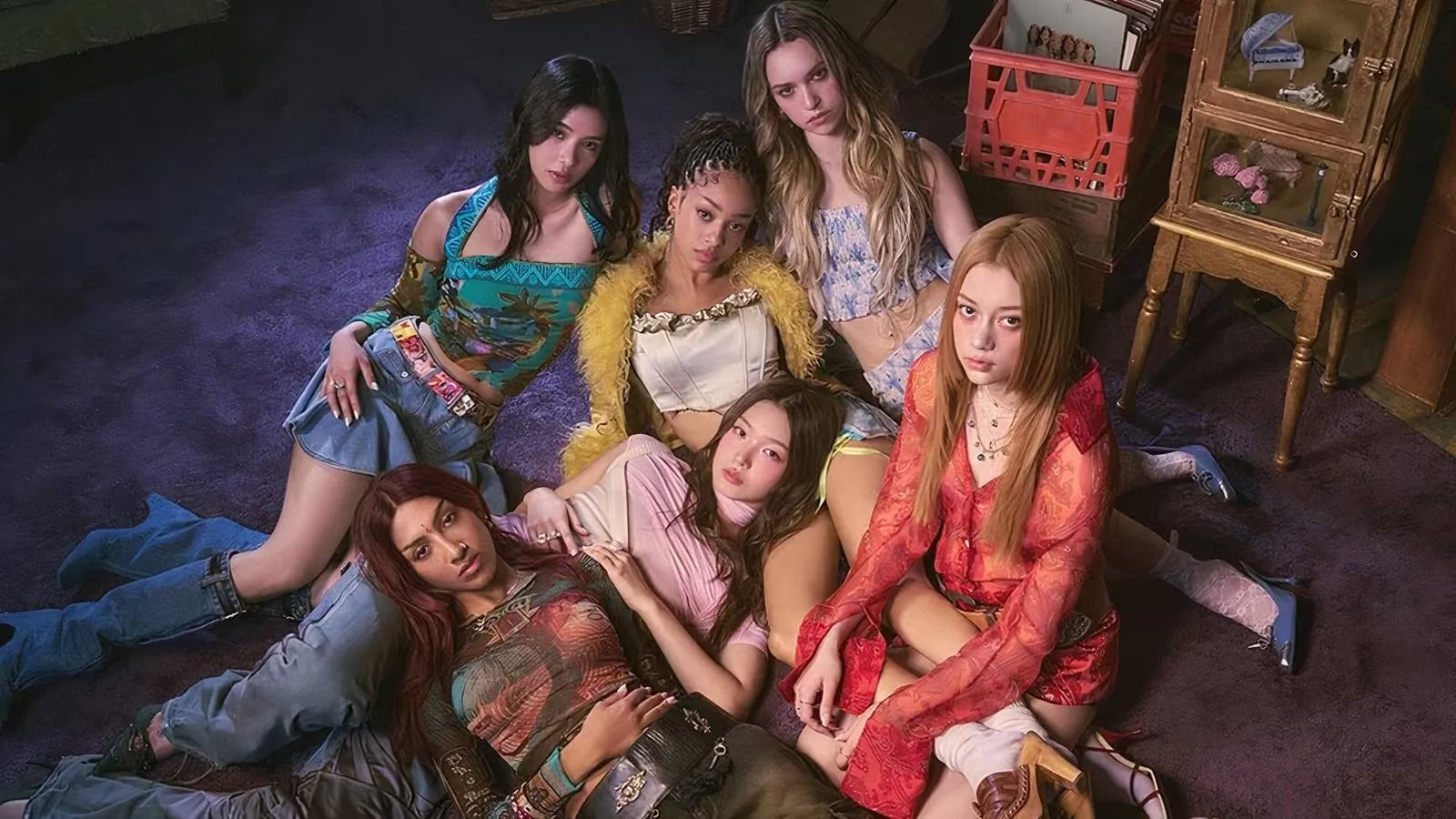
This is not American Idol with better lighting
What makes Pop Star Academy: KATSEYE interesting to me is that it is not a typical reality competition. It is not American Idol or The Voice with a K-pop filter slapped on top. The show documents an almost two-year training program, and it begins long before the televised survival-show phase. Out of 120,000 submissions, only 20 girls from countries including Korea, Japan, the USA, Switzerland, Slovakia, Brazil, Australia, Thailand, and more made the cut. They trained in Los Angeles and traveled to Korea to experience the K-pop system firsthand. Director Nadia Hallgren, known for the Michelle Obama documentary Becoming, shot eight episodes over 18 months.
The twist is the part that still bothers me. The contestants did not initially know they were part of a survival show called The Debut: Dream Academy, where fans would vote for their favorite performer. They thought they were trainees. That detail changes the emotional temperature of every scene. A training room is supposed to be a place where you build skill. A survival show is a place where you build storylines. The show blurs those two rooms until the girls cannot tell which one they are standing in.
The cast was a small United Nations of hope
The global mix was one of the show's best features. It was like the Olympics of reality shows, except the medal was a debut and the audience was holding the stopwatch. Here is a rough map of the cast:
| Region | Contestants |
|---|---|
| North America | Emily Kalavas, Daniela Avanzini, Lara Raj, Megan Skiendiel, Karlee, Brooklyn Van Zandt, Abby Saltzman |
| Philippines / USA | Sophia Laforteza |
| South America | Naisha Dos Santos, Samara Siqueira, Celeste |
| Asia and Australia | Yoonchae Jeong, Lee Nayoung, Terada Mei, Hinari Irie, UA, Ezrela Abraham, Marquise |
| Europe | Iliya Ria, Lexie Levin, Manon Bannerman, Adela Jergova |
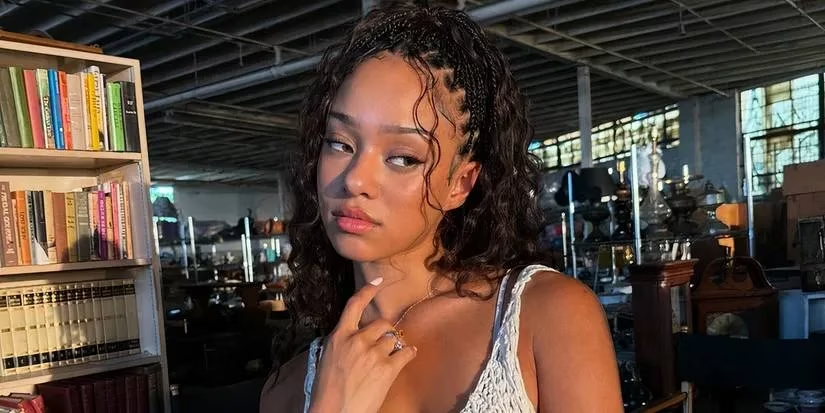
Seeing so many nationalities in one room could have felt like a corporate diversity poster. Instead, it felt messy and human. Some girls were clearly ready for the camera. Others looked like they had been dropped into a hurricane and handed a microphone. That is what kept me watching.
The editing is a magician's sleight of hand
The show's producers took a lot of heat because the contestants were not told everything upfront, and at one point the young women were pitted against each other. I understand why viewers were furious. The series starts with goal-oriented training, where the coaches seem to be building well-rounded performers. Later, that work starts to look like raw material for entertainment. The only person who seems to stick with the girls to the end is the project manager, Missy. That is not a small detail. In a system built on rankings and votes, the person who remembers the contestants are people becomes the emotional center.
The 18-month shoot feels like watching a coral reef grow in time-lapse: beautiful, slow, and built under pressure. You see friendships form, confidence crack, and tears arrive right on cue for the edit. The show exposes how cruel and money-driven the music industry can be, but it does so through close-ups and reaction shots rather than a lecture. That is both its power and its problem. The camera can make you feel for a girl while the format quietly turns her into a product.
Why it still matters in 2026
I am writing this in 2026, and the conversation around K-pop training systems, survival shows, and global groups has only gotten sharper. Pop Star Academy: KATSEYE now reads less like a debut diary and more like a time capsule. The group has moved beyond the immediate finale moment, but the questions the series raises have not gone away. How much of a person's development should be filmed? When does fan voting become emotional gambling? Who gets to decide which tears make the final cut?
I do not need every later milestone to feel the point. The docuseries is a receipt. It shows the machinery behind the magic trick. It also shows why the magic still works. The girls are not passive symbols. They are funny, competitive, exhausted, and sometimes startlingly self-aware. That is why I would recommend the show to anyone who likes music documentaries, reality TV, or stories about ambitious people learning how little control they have.
My quick takeaway
-
🎤 It is not a standard singing competition. It is a training documentary with a survival-show blade hidden in the last act.
-
🌍 The global cast is the show's beating heart, not its marketing footnote.
-
🧠 The ethical questions are the real cliffhanger. The finale is almost secondary.
-
📺 Pop Star Academy: KATSEYE season 1 is available on Netflix.
If you watch it, pay attention to the quiet moments between the performances. That is where the show tells the truth: not in the confetti, but in the faces of young performers learning that a dream can be both a gift and a contract.