
The Chamber of Secrets Entrance Was Hidden in Plain Sight
Harry Potter and the Chamber of Secrets hides its Chamber entrance in a quick sink-bank cut—a hidden clue that rewards rewatching.
The most famous secret in Harry Potter and the Chamber of Secrets is not really a secret by the time the credits roll. The 2002 film, directed by Chris Columbus and adapted by Steve Kloves from J.K. Rowling's novel, builds its central mystery around the location of the Chamber and the identity of the heir of Slytherin. Yet one of the movie's cleverest clues arrives less than halfway through the story, tucked inside a quiet transition that most viewers are not meant to notice on a first watch. More than two decades after its release, the moment still rewards rewatching in 2026 because it shows how a film can answer a major question without calling attention to the answer.
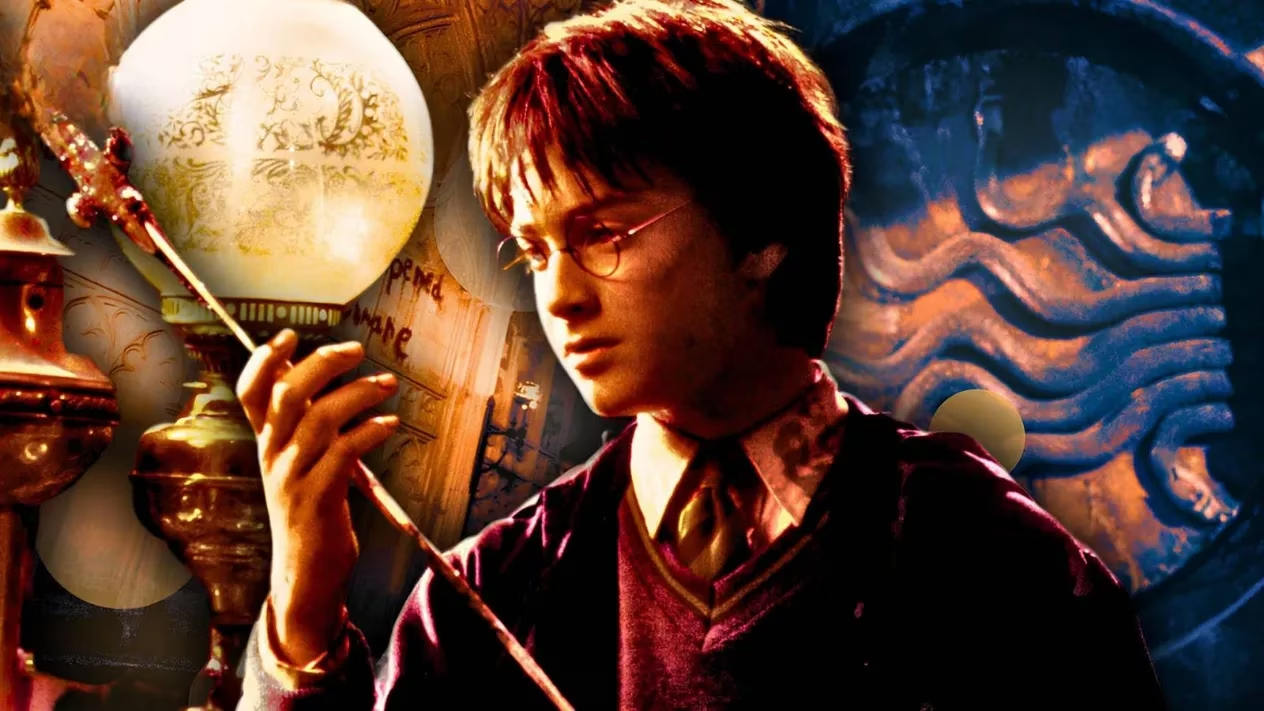
🔍 A Secret Hidden in an Edit
During Harry's stay in the Hogwarts hospital wing after his bone-vanishing Quidditch injury, he overhears Albus Dumbledore and Professor McGonagall discussing the grim news. Dumbledore says, 'It is as we feared, Minerva. The Chamber of Secrets has indeed been opened again.' The line is ominous, but it does not explain where the Chamber is or how anyone gets inside. Then the film cuts from Harry's shocked face to a bank of sinks in a girls' bathroom. That is the entrance. The movie has just shown the answer while the characters are still openly admitting that they do not know it.
On a literal level, the cut makes sense. The story needs to move toward Moaning Myrtle's bathroom, and the sink bank is a natural next image. On a symbolic level, it is a sly fourth-wall break. Dumbledore unknowingly introduces the next shot, and the audience receives a clue that the characters cannot yet understand. The edit is not flashy. It does not pause for a musical sting or a dramatic close-up. It simply trusts that the image will sit in the back of the mind until the finale pays it off.
🚰 Why the Sink Shot Works
-
It uses the movie's visual grammar. A novel can describe a bathroom and a sink bank without making them feel important. A film can place them in a cut and let composition do the work.
-
It hides the clue inside a normal transition. The scene has a reason to leave the hospital wing, so the cut does not feel like a cheat.
-
It respects both kinds of viewers. Book readers can enjoy the wink, while newcomers can remain uncertain without feeling tricked.
-
It makes the eventual reveal feel earned. When the sinks open later, the image has already been planted, even if the audience did not register it.
| Detail | What happens |
|---|---|
| Film | Harry Potter and the Chamber of Secrets |
| Release year | 2002 |
| Director | Chris Columbus |
| Key scene | Harry overhears Dumbledore and McGonagall in the hospital wing |
| Hidden clue | The cut lands on the sink bank that conceals the entrance |
| Payoff | The sinks lead down into the Chamber |
| Audience effect | Easter egg for book readers and subtle misdirection for newcomers |
🧙 The Easter Egg Effect
The success of J.K. Rowling's books meant that many original viewers already knew the ending before they bought a ticket. For them, the sink shot was less a spoiler and more a playful nod. It was the film equivalent of a magician showing the hidden compartment while pretending to look elsewhere. For viewers who had not read the book, the moment was subtle enough to pass by. That balance is difficult to achieve. If the shot were too obvious, it would ruin the mystery. If it were too vague, it would not count as a clue at all.
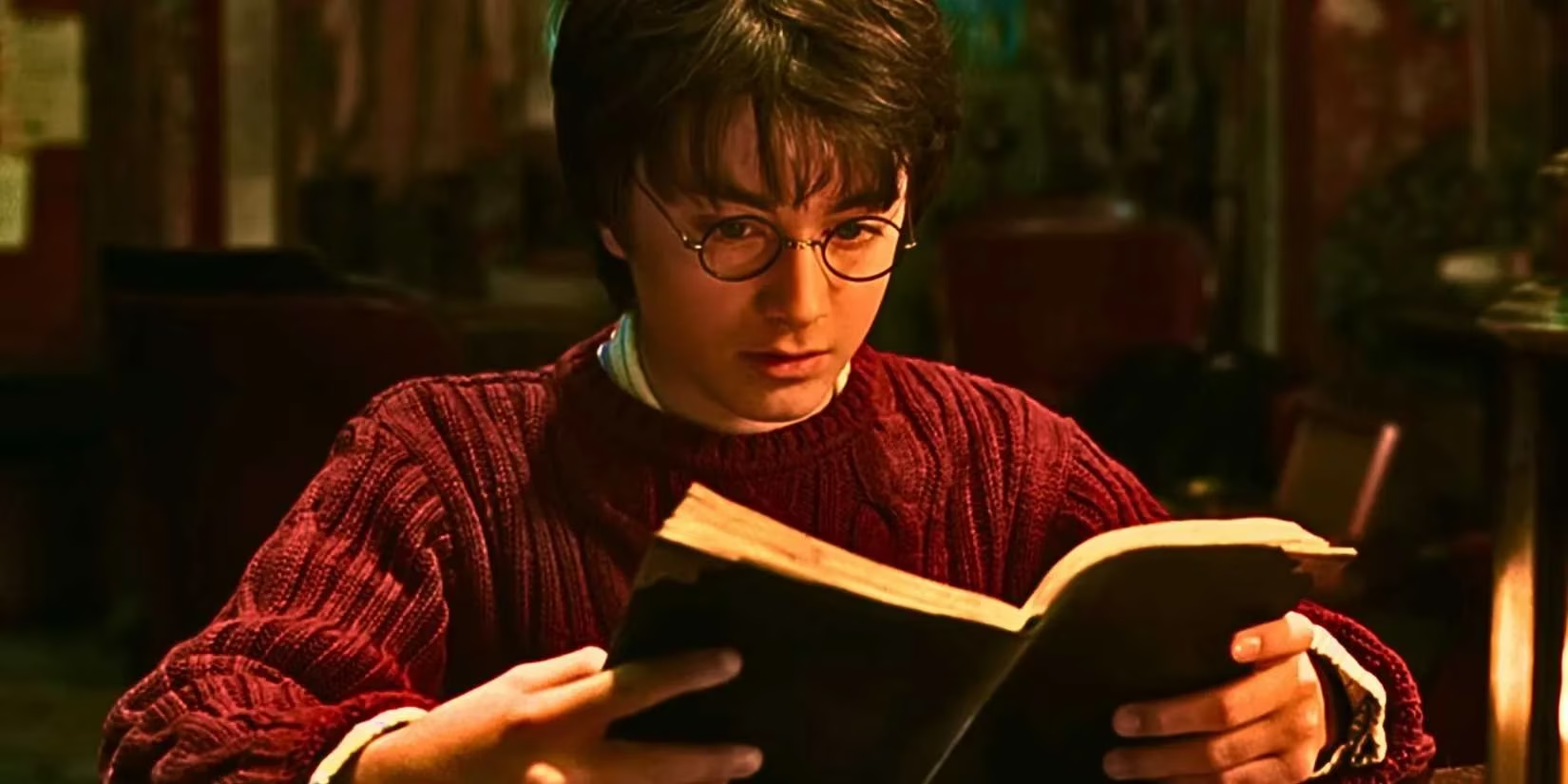
The diary subplot adds another layer to the film's puzzle, but the sink transition is the purest example of visual storytelling in the movie. It does not rely on dialogue, exposition, or a character explaining the secret. It relies on the audience's memory and the editor's timing. That is why the scene remains fun to discuss years later. It is a small craft choice that turns a routine cut into a secret message.
✨ A Rewatchable Trick
The Chamber of Secrets entrance is supposed to be one of the wizarding world's best-kept secrets. The film, however, gives it away in a single cut and then dares the audience to forget. In 2026, with the Harry Potter films still circulating on streaming and home media, that early clue is easier than ever to catch. It is a reminder that adaptation is not only about condensing plot points. It is also about finding cinematic ways to make old information feel new. The sink bank is just a sink bank until it is not. That is the trick, and the movie plays it beautifully.