
The Cost of Heroism: Real-World Landmarks Destroyed in the MCU
The Marvel Cinematic Universe's epic superhero battles and the resulting collateral damage, from the Battle of New York to the Sokovia Accords, serve as a powerful narrative driver for political tension. These spectacular conflicts have devastated iconic real-world landmarks, reminding audiences that saving the world is a messy and destructive business.
Since its inception in 2008, the Marvel Cinematic Universe has thrilled audiences with epic battles and world-saving heroics. However, these spectacular conflicts have often come with a hefty price tag for the fictional world's real-life landmarks. Collateral damage has been a persistent theme, serving as a key narrative driver for political tension and oversight, most notably the Sokovia Accords. From New York to London to Washington D.C., iconic structures have borne the brunt of super-powered confrontations, reminding viewers that saving the world is often a messy and destructive business. As the universe expanded into 2025 and beyond, this trend only continued, with new heroes and villains adding their own chapters to the saga of architectural devastation.
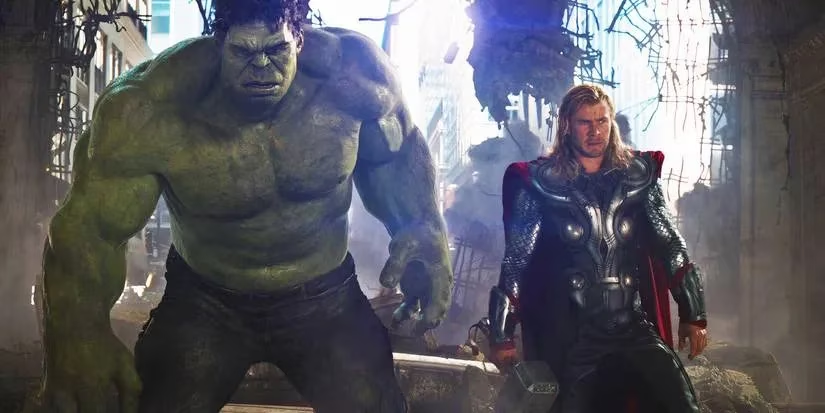
The 2012 Battle of New York in The Avengers set a high bar for cinematic destruction. While the newly assembled team tried to contain the Chitauri invasion around Stark Tower, the sheer scale of the conflict made collateral damage inevitable. In a memorable sequence, Thor and the Hulk combined forces to bring down a massive alien Leviathan, sending the colossal creature crashing directly into the historic Grand Central Terminal. This moment was a stark visual representation of the unintended consequences of superhero battles, foreshadowing the political reckoning to come.
The fallout from such events directly led to the Sokovia Accords, a framework for governing enhanced individuals. This political shift was heavily influenced by incidents like the destruction of three advanced Helicarriers in Captain America: The Winter Soldier (2014). Launched from the Potomac River near the fictional Triskelion, these ships were intended for a global purge by HYDRA. Steve Rogers and his allies managed to turn the weapons on each other, resulting in all three craft exploding and littering the Potomac with wreckage. This catastrophic failure of a government-sanctioned weapons system was later used as powerful propaganda in Captain America: Civil War to argue for stricter control over heroes.
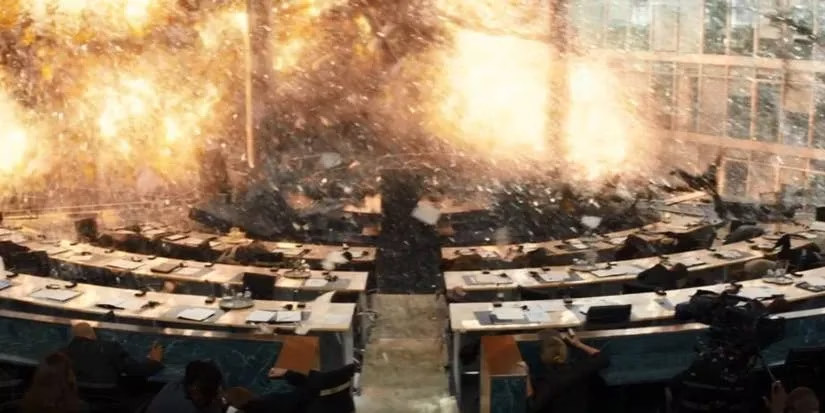
The very signing of the Accords was marred by tragedy. In Captain America: Civil War, Helmut Zemo bombed the Vienna International Centre during the ratification summit. The real-life UN facility in Austria was shown sustaining massive damage in the explosion, which killed 12 people, including Wakanda's King T'Chaka. This act of terrorism, framed on Bucky Barnes, deepened the schism between heroes and governments, proving that even diplomatic gatherings were not safe from the ripple effects of the superhero age.
When it comes to a particular affinity for landmark damage, one friendly neighborhood hero stands out. 😅 Spider-Man, across his trilogy, has been involved in multiple incidents:
-
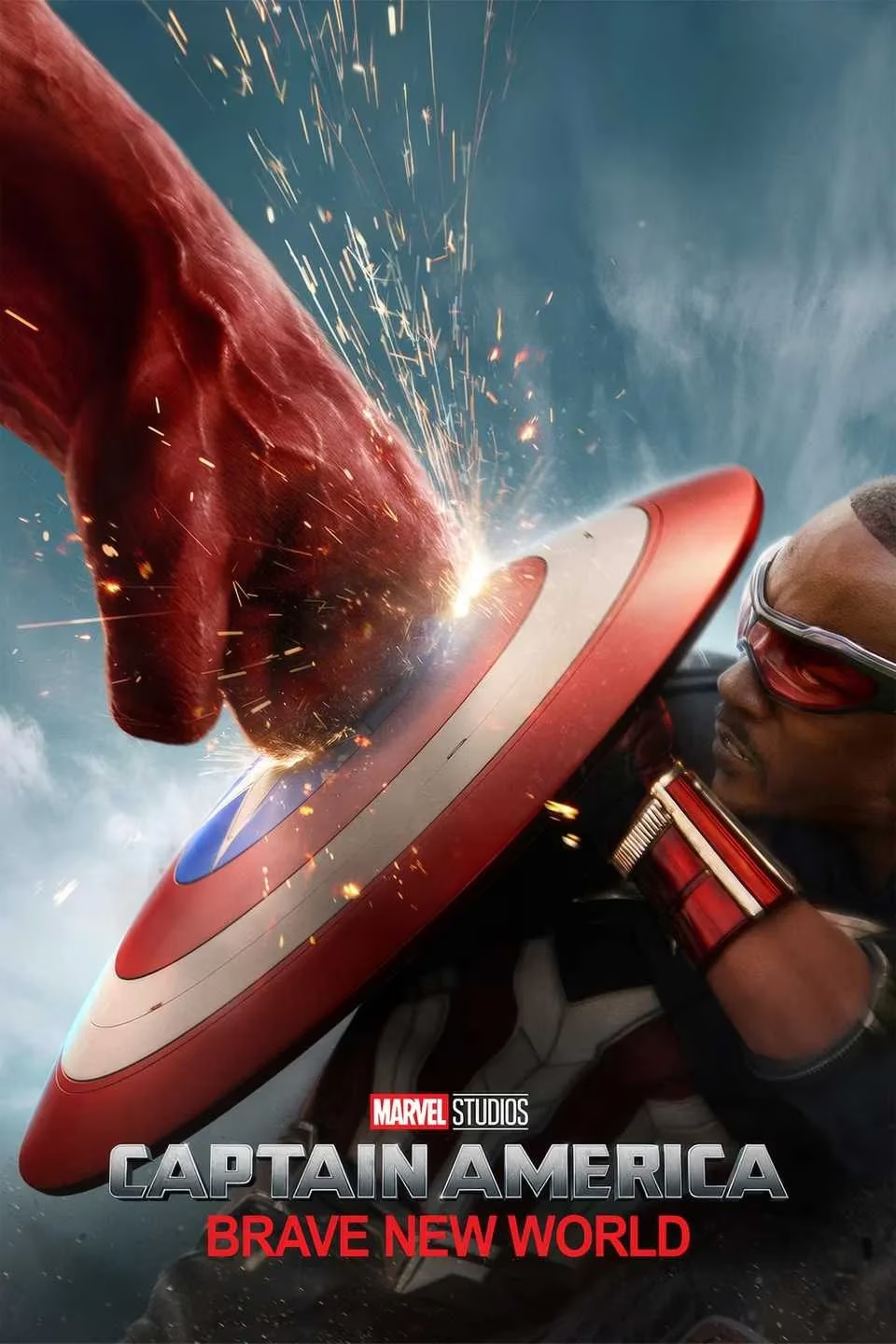
The Washington Monument (2017 & 2025): First, in Spider-Man: Homecoming, an unstable Chitauri core exploded during a school trip, cracking the monument's exterior and disabling its elevator, forcing Peter Parker to make a daring rescue. Then, nearly a decade later in Captain America: Brave New World (2025), the monument was damaged again when the Red Hulk, chasing Sam Wilson, slammed into its peak. This iconic obelisk simply cannot catch a break in the MCU.
-
Tower Bridge, London (2019): In Spider-Man: Far From Home, Peter's final showdown with Mysterio turned the historic Tower Bridge into a battlefield. Mysterio's drone army and illusions caused significant damage to the London landmark during the chaotic fight, as he attempted to stage an epic hero moment.
-
The Statue of Liberty (2021): The crown jewel of Spider-Man's destructive record came in Spider-Man: No Way Home. The final battle against multiple villains from across the multiverse took place on Liberty Island. The statue, covered in scaffolding for a renovation to replace her torch with a Captain America shield, saw both the scaffolding and the giant shield torn off during the intense melee. Furthermore, a trailer for Fantastic Four: First Steps (2025) hinted at potential future danger, showing the cosmic entity Galactus ominously standing next to Lady Liberty in an alternate reality.
The trend of damaging Washington D.C.'s core landmarks continued forcefully in 2025's Captain America: Brave New World. The film featured a dramatic rampage by the newly transformed Red Hulk (Thaddeus Ross). His first transformation occurred just outside the White House, which immediately became the initial casualty of his uncontrollable rage, with Sam Wilson's Captain America desperately trying to lead the monster away from civilians and the seat of government.
Captain America's strategy involved leading Red Hulk to Hains Point, past the damaged Washington Monument and into the famed Cherry Blossom groves. Sam hoped the serene beauty of the blossoms, a 1912 gift from Japan to the United States, would calm Ross and remind him of his humanity and memories with his daughter. Sadly, this peaceful setting was devastated during their showdown, with countless iconic trees destroyed in the process—a poignant symbol of the personal and cultural costs of these conflicts.
Looking forward from the current perspective of 2026, the destruction of real-world landmarks remains a compelling and sobering narrative device in the MCU. It grounds the fantastical stories in a relatable consequence, providing a visual metric for the power on display and the philosophical debates about accountability. As the universe continues to expand with new heroes and cosmic threats like Galactus, audiences can likely expect more iconic sites to face peril. The lasting image is not just one of heroes triumphant, but also of the cracked monuments and shattered landscapes they leave behind—a permanent reminder of the brave, but never truly new, world they fight to protect.