
Uncovering the Filming Secrets of Apple TV+'s The Last Frontier
Discover the surprising filming locations of *The Last Frontier*, revealing how Quebec and Alberta, Canada masterfully doubled for Alaska's breathtaking, icy wilderness.
Ever wondered where the breathtaking, icy vistas of Apple TV+'s hit crime drama The Last Frontier were actually captured? If you assumed it was all filmed on location in the wilds of Alaska, you're in for a surprise. The show, which has captivated audiences since its premiere in 2025, masterfully uses its setting as a central character, creating an atmosphere of isolation and tension. But how did the creators achieve such an authentic Alaskan feel without actually being there? The answer reveals a fascinating journey in modern television production.
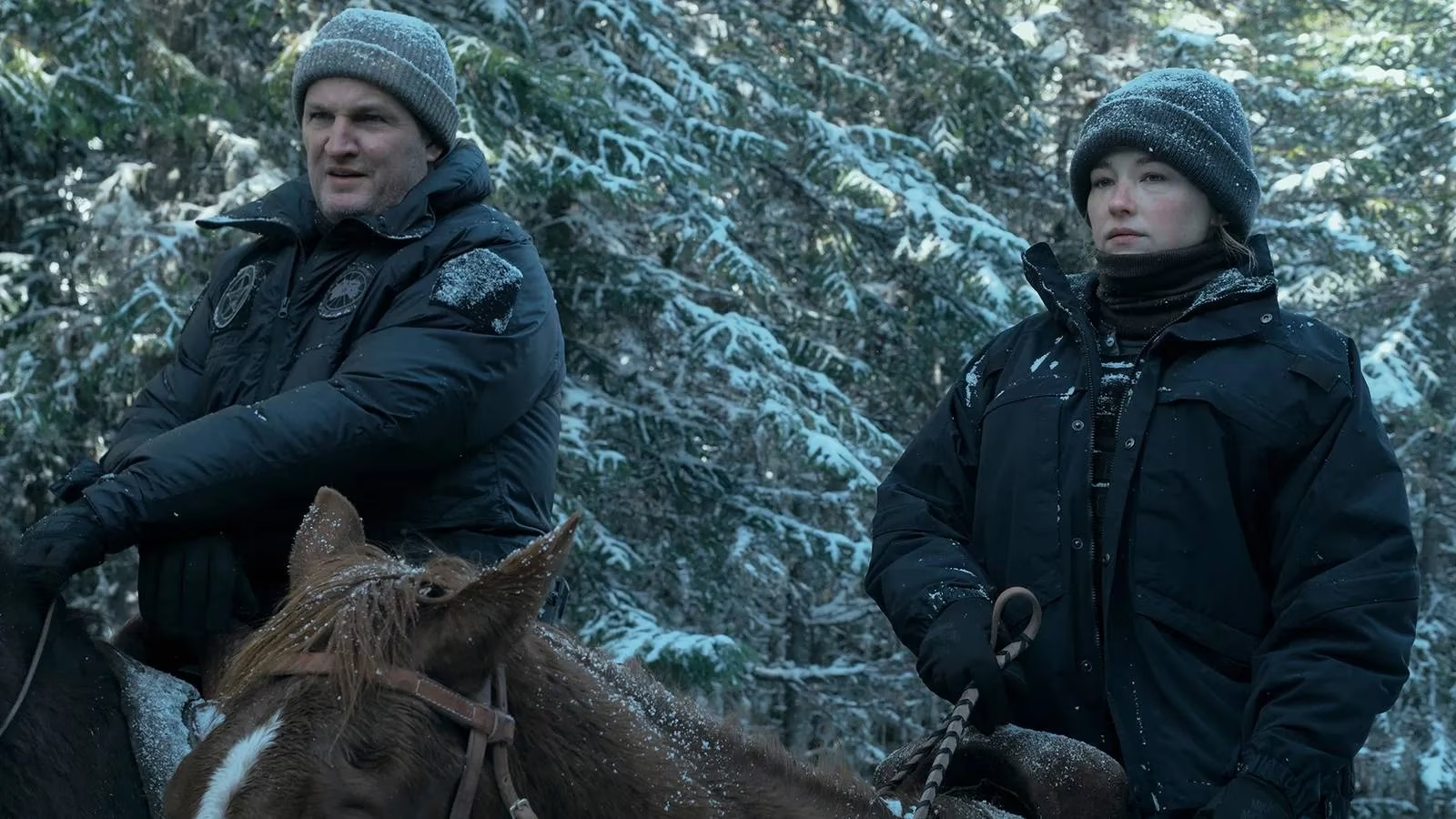
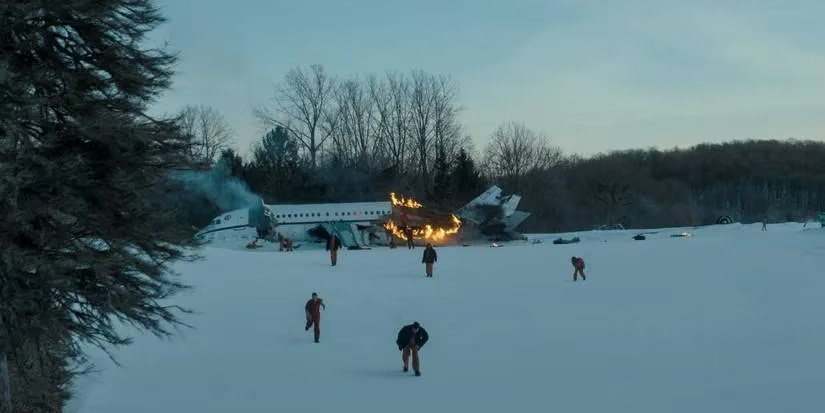
Contrary to what the immersive on-screen world suggests, The Last Frontier was not filmed in Alaska at all. Isn't it remarkable how cinema magic works? The show's principal photography took place thousands of miles away, primarily in the province of Quebec, Canada. According to industry reports, filming kicked off in the first week of February 2024 in and around Montreal. This location served as the primary production hub for the series, with shooting continuing there until August 2024. Why choose Quebec, you might ask? The region offers diverse landscapes that can convincingly double for various international settings, including the rugged, snow-covered terrains required for the show's Alaskan narrative.
Showrunner Jon Bokenkamp, known for The Blacklist, shared an intriguing piece of trivia in an interview. He revealed that the story was originally conceived to unfold in the urban jungle of Manhattan. Can you imagine US Marshal Frank navigating skyscrapers instead of snowdrifts? However, Bokenkamp and his team made a pivotal creative decision to relocate the drama to Alaska. They realized that the Alaskan wilderness wasn't just a backdrop; it was a narrative engine that would deepen the themes of survival, moral ambiguity, and the raw clash between law and frontier justice. This shift demanded a filming location that could embody that spirit, leading them to the Canadian wilderness.
The production wasn't confined to Quebec. After the main six-month shoot wrapped up, a smaller crew reportedly traveled west to Alberta, Canada, in November 2024. Filming in Alberta occurred during a tight window, from November 15 to November 22, 2024. This secondary location likely provided the iconic, mountainous vistas often associated with the northern wilderness. Throughout its production, the show operated under the intriguing working title "FOXTROT," a common practice in the industry to maintain secrecy around high-profile projects.
So, what makes the final product so convincingly Alaskan? Let's break it down:
-
Cinematic Craftsmanship: Modern cinematography, coupled with meticulous set design and location scouting in Canada, can recreate virtually any environment. The crew's skill in capturing the "raw and untamed essence" of the wilderness is a testament to their artistry.
-
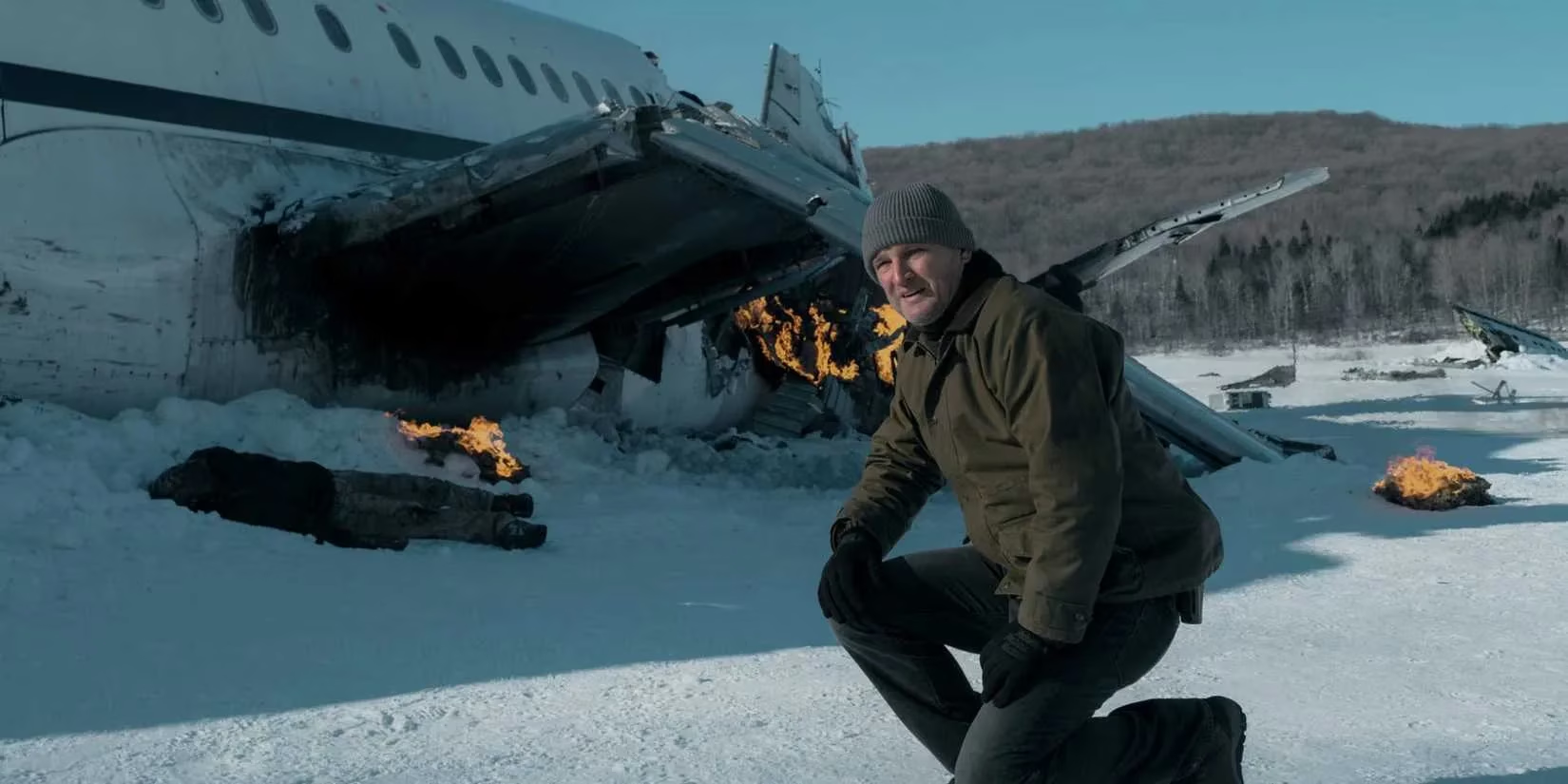
Narrative Synergy: The setting is inextricably linked to the plot. The story of a lone US Marshal (Jason Clarke) in a vast, ungoverned territory after a prison transport crash gains its potency from the isolating and dangerous landscape. The cold isn't just weather; it's a mood.
-
Post-Production Magic: While the core filming was in Canada, subtle visual effects and color grading in post-production undoubtedly helped fine-tune the scenery to match the specific, stark beauty of Alaska.
The cast, led by Jason Clarke and featuring talents like Haley Bennett and Dominic Cooper, had to perform against this manufactured yet believable frontier. Their performances, grounded in the challenging "environment," sell the reality of the story.
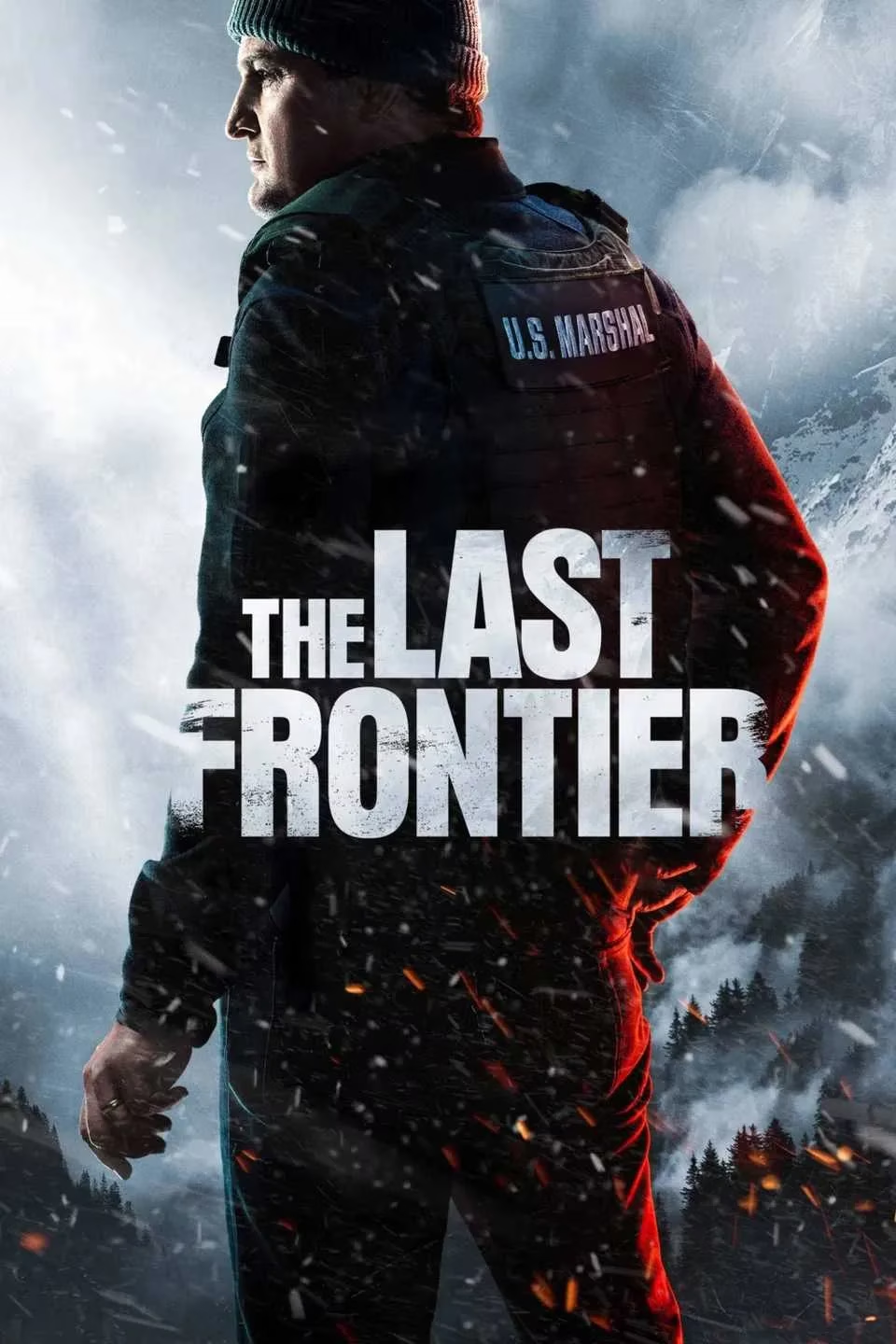
As of 2026, The Last Frontier stands as a prime example of how location is a choice, not a constraint. The production successfully translated the creative vision of Alaska to the practical and versatile landscapes of Canada. The result is a show where the environment is so palpable it almost feels like a member of the ensemble cast. The success of this approach raises an interesting question for future productions: is authenticity found solely in the actual location, or can it be masterfully constructed through storytelling, performance, and technical prowess? For The Last Frontier, the answer is clearly the latter, proving that sometimes the most authentic worlds are built, not just found.