
Unraveling the Real-World Spots Behind Wayward's Eerie Tall Pines
Discover the filming locations of Netflix's Wayward, where Ontario's eerie beauty masterfully doubles for Vermont's mysterious Tall Pines village.
Let me tell you, folks, diving into the filming locations of Netflix's Wayward is like peeling back the skin of a perfectly polished apple only to find it’s... well, let’s just say it’s from a very different orchard. I recently went down this rabbit hole, and oh boy, it's a trip. The show paints this picture of a creepy, isolated Vermont village called Tall Pines where newcomers Alex and his wife think they've found paradise, but it turns out the locals have more secrets than a locked diary. The kicker? While the story is nestled in Vermont, the whole eerie shebang was actually filmed up north in Canada. Talk about a bait and switch! Over 80 days, the crew hopped around Ontario, stitching together conservation areas, tiny towns, and city spots to create that unsettling yet weirdly beautiful vibe. It’s the ultimate movie magic trick—making you believe you’re in one place when you’re really somewhere completely different. And honestly, figuring out where they shot what is half the fun, like being a detective in your own weird little mystery.
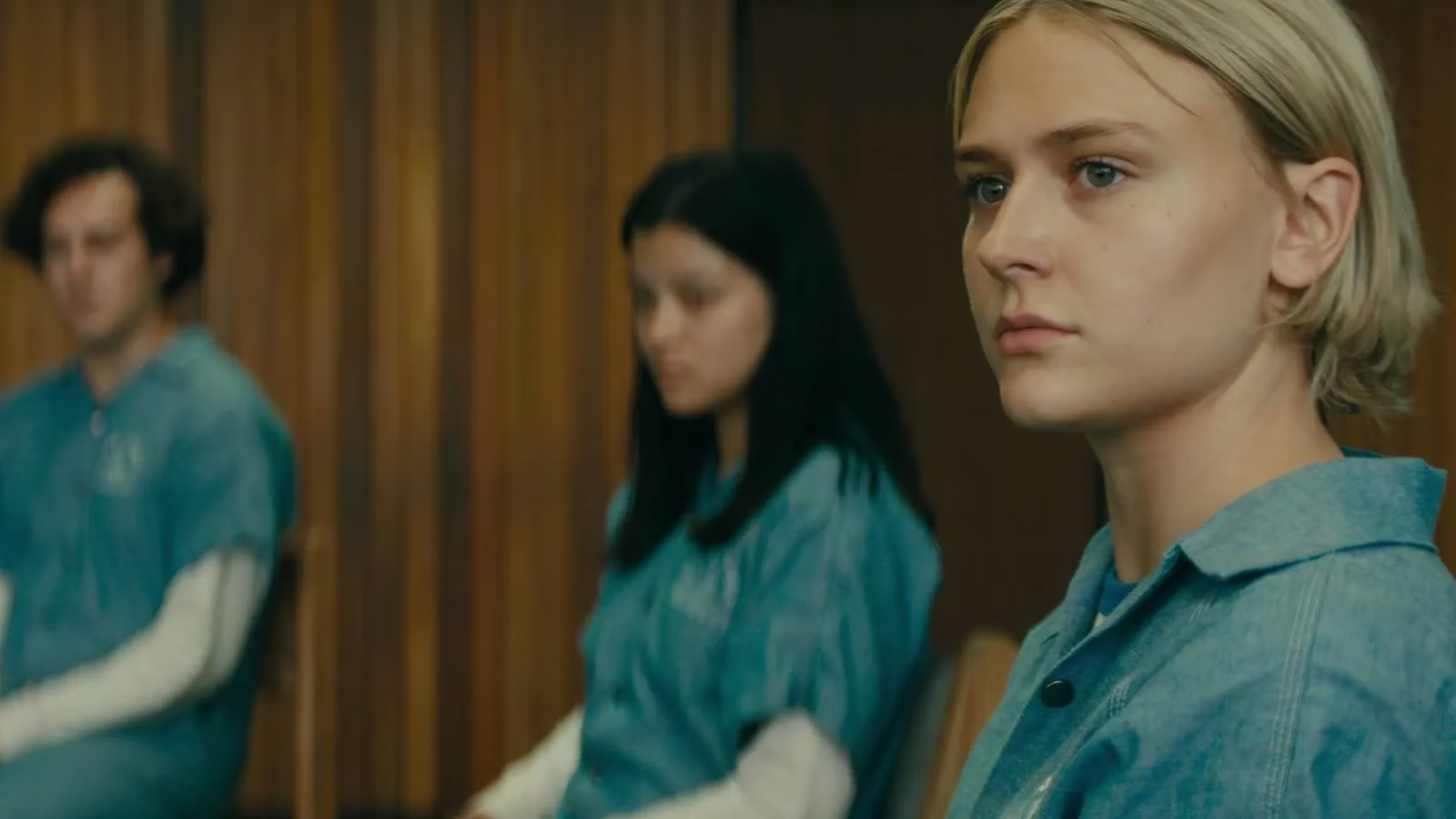
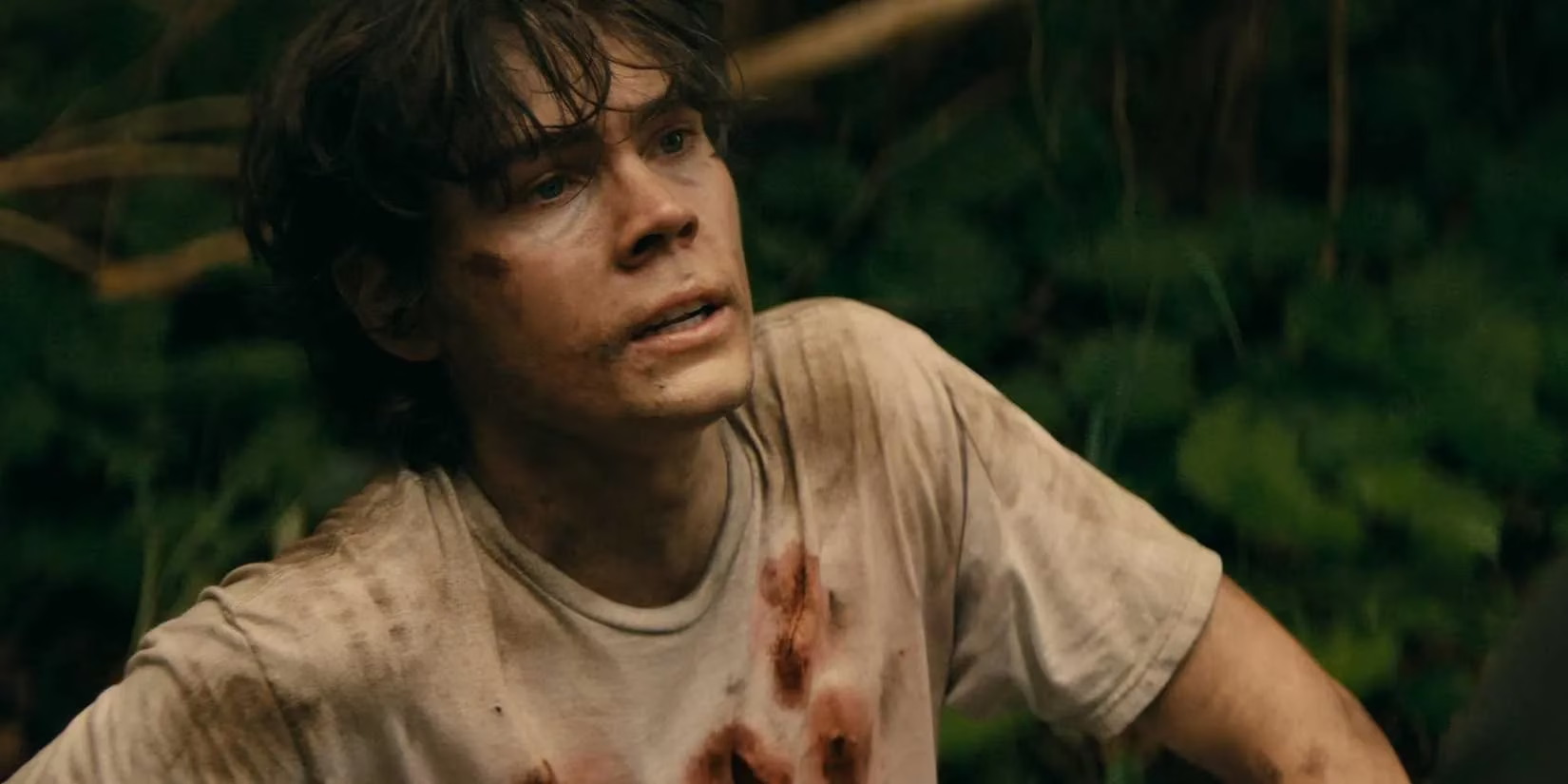
One of the biggest stars of Wayward isn't even a person—it's the woods. You know, those endless, dense forests that make you feel like you're being watched by every single tree? Tall Pines is supposed to be smack in the middle of nowhere, surrounded by cliffs and trees that make escaping on foot about as easy as nailing jelly to a wall. To get that perfect "you're-trapped-here-forever" feel, the production turned to the Christie Lake Conservation Area in Ontario. This place is a whopping 830 acres of pure, untamed nature. It's where they shot the scenes around Alex and Laura's borrowed house and, crucially, the woods where the poor kids from Tall Pines Academy try to make their doomed great escapes. I mean, just look at that shot of Riley with the bloody shirt—pure nightmare fuel, and it was all filmed right there. The conservation area has this quiet, ancient feel that the show totally leans into. It’s the kind of place where you half-expect the trees to start whispering. No wonder it doubled for Vermont so well!
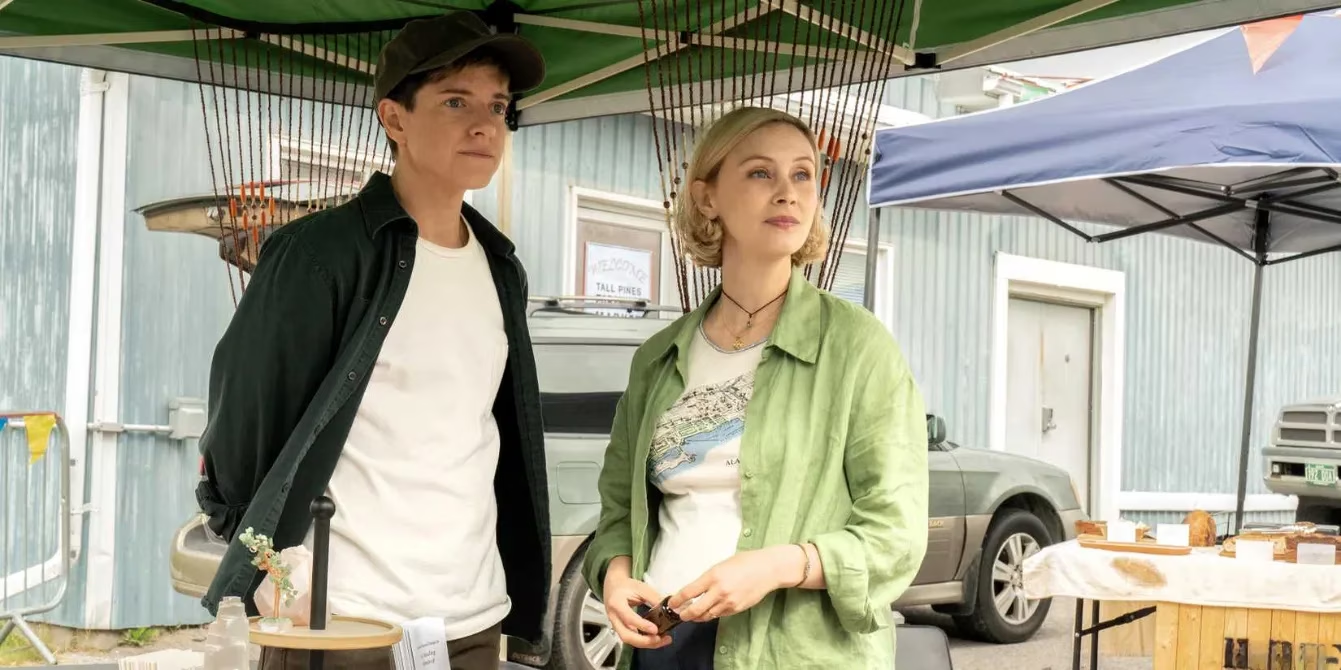
Now, the heart of any creepy town is its main street, right? For Tall Pines' quaint yet off-putting village center, the showrunners found their perfect match in Millbrook, a small town just outside Toronto. This place is like a postcard from a simpler time—no flashy fast-food chains, just a charming downtown that looks like it’s been frozen in amber. When the crew cleared the streets for filming, it wasn't hard to imagine this was a town completely disconnected from the modern world. Strolling through those streets, you can almost feel the eyes of the Tall Pines residents on you. It’s got that untouched quality that makes you wonder what’s really going on behind those picturesque windows. Honestly, Millbrook playing Tall Pines is a masterstroke. It looks idyllic, but there’s an underlying weirdness you can’t quite put your finger on—which is exactly the vibe the show needs.
But Wayward isn't all forests and small-town streets. When the story needs a dose of urban grit or a specific, haunting location, it heads into the city. Take that classic, slightly sinister 1950s diner where Alex meets a mysterious informant about the missing kids. That’s no set—it’s a real spot in Toronto called Ted's Restaurant. You can almost smell the coffee and feel the vinyl booths, but in the show, it’s layered with this thick tension. And remember those early scenes with Abby and Leila still in Canada, weaving through graffiti-covered alleyways? Yep, also Toronto. The city provides this great contrast to the isolation of Tall Pines, showing the life the characters left behind—or were taken from.

Speaking of Leila, her traumatic memories are central to the plot, and one key location is the restaurant where her sister died. The interior used for that heartbreaking and confusing flashback is actually Aristotle's Steak & Seafood House in Mississauga, about an hour from Toronto. The show transforms this everyday restaurant into a place of pure dread. It’s wild how a change in lighting and camera angles can turn a normal dining room into the stage for your worst memory.
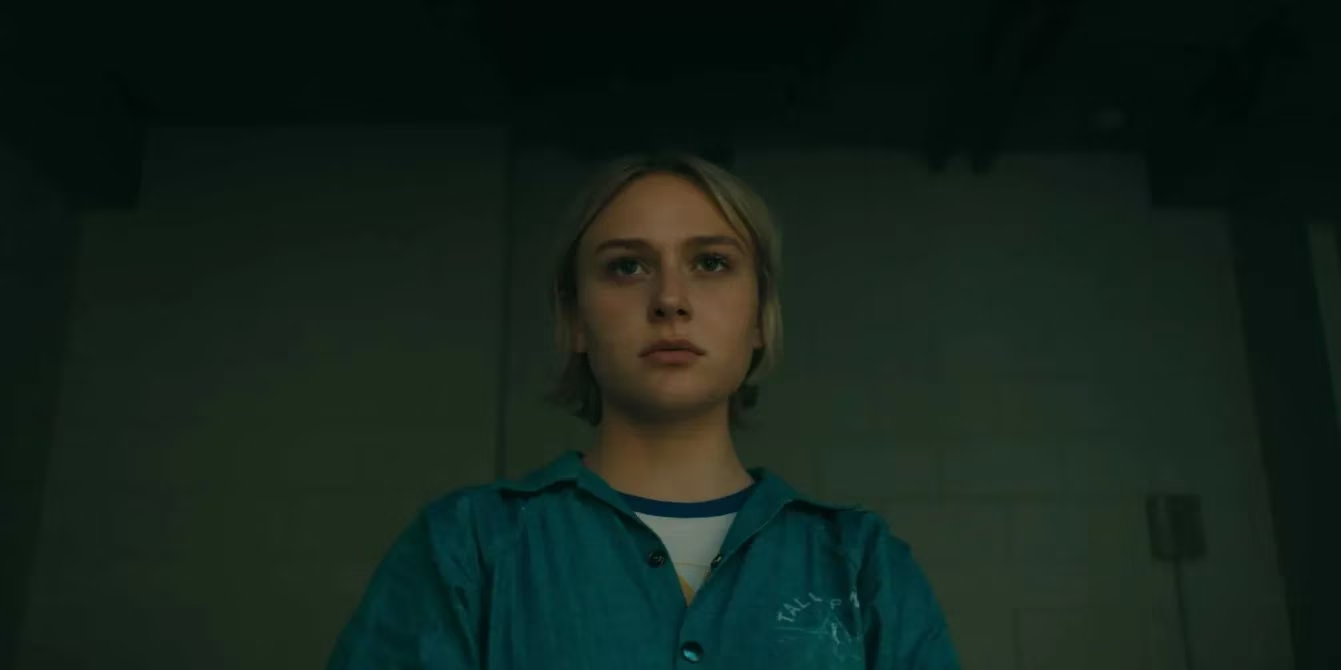
And then there’s the pool. Oh man, the pool. The scene of Leila’s sister’s drowning is revisited multiple times, each version more disturbing than the last. Was it an accident? Did Leila not help? Did she... push her? This nightmare plays out at the Alexandra Park Pool in Toronto. In reality, it’s probably a nice place for a summer swim, but in Wayward, with some clever lighting and that signature eerie magic, it becomes a truly haunting location. It just goes to show you—a location doesn’t have to be inherently scary to become the backdrop for a horror story. A little cinematic sleight of hand is all it takes.

So, what’s the takeaway from all this location sleuthing? Wayward masterfully uses real Canadian spots to build its fictional world of Tall Pines. Here’s a quick cheat sheet of where the creepiness went down:
| On-Screen Location | Real-World Filming Spot | Province |
|---|---|---|
| The Isolated Woods & House | Christie Lake Conservation Area | Ontario |
| The Village of Tall Pines | Millbrook Town Streets | Ontario |
| The 1950s Diner | Ted's Restaurant, Toronto | Ontario |
| Graffiti Alleyways | Toronto City Locations | Ontario |
| Leila's Traumatic Restaurant | Aristotle's Steak & Seafood, Mississauga | Ontario |
| The Drowning Pool | Alexandra Park Pool, Toronto | Ontario |
It’s a testament to the production design and location scouting that these places feel so integral to the story. They’re not just backgrounds; they’re active participants in the unease. As of 2026, Wayward stands as a fantastic example of how to build atmosphere through place. So next time you watch and get that chill down your spine, remember—you’re probably looking at a very friendly part of Canada that’s just playing dress-up. Spooky, huh? 😉